Loading
Loading
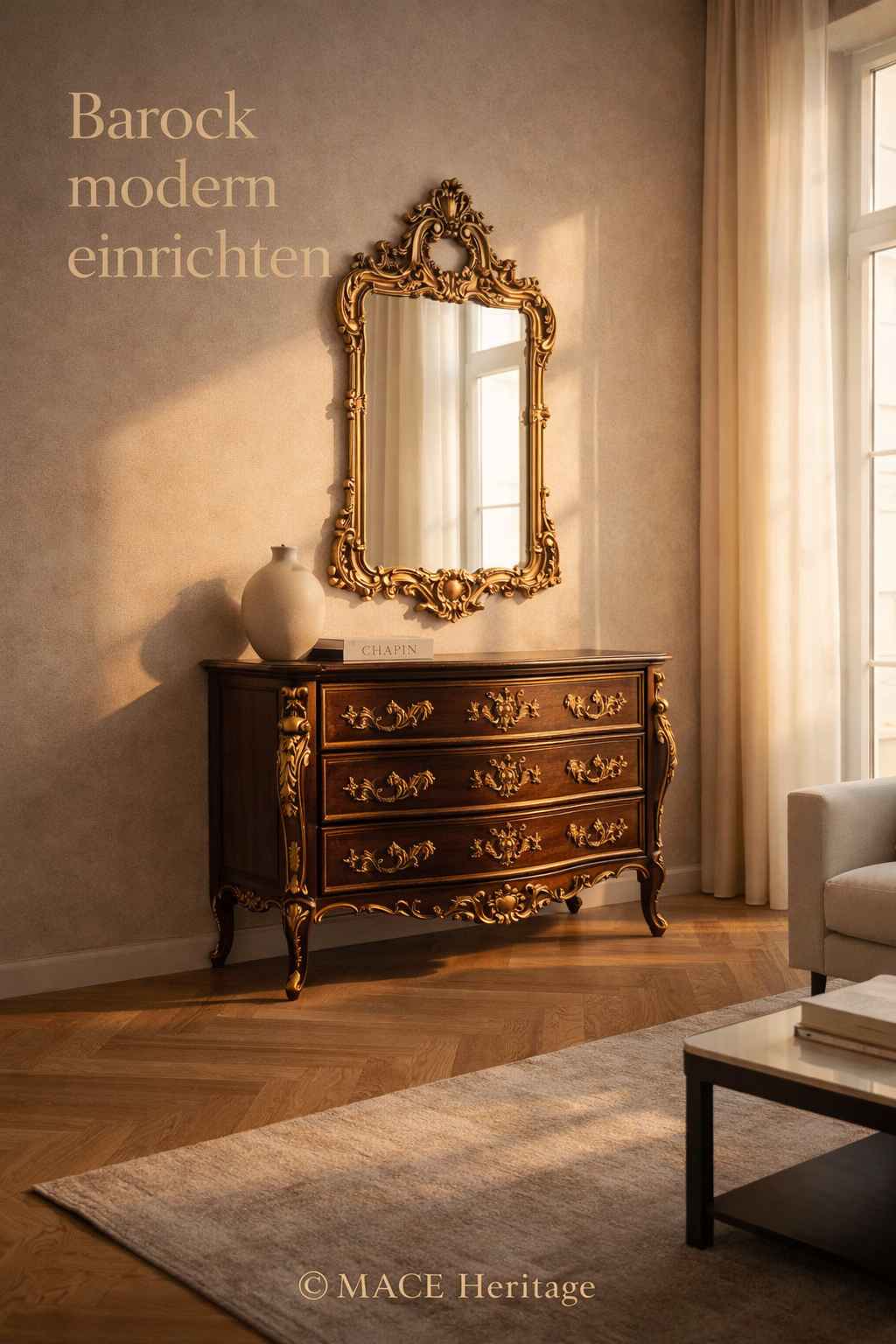
Creating a modern baroque interior does not mean recreating historical palaces. It means integrating classical furniture into contemporary architecture in a deliberate and refined way. In 2026, interior design is shifting away from sterile minimalism toward curated contrast and architectural depth.
Homeowners and designers increasingly ask: How can baroque furniture be styled in modern homes without looking outdated? The answer lies in proportion, restraint and material balance.
For years, neutral tones and clean lines dominated interior design. While elegant, many spaces began to feel interchangeable. The return of baroque furniture signals a desire for identity and individuality.
Classical silhouettes, sculpted curves and handcrafted details reintroduce personality into modern interiors. Rather than filling a room with ornamentation, one carefully chosen piece creates architectural focus.
The key principle of styling baroque furniture in contemporary homes is restraint. One strong statement piece is more powerful than several decorative elements.
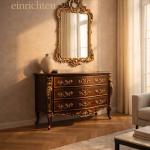
A premium baroque chest of drawers placed within a minimalist setting can anchor the room visually. It adds depth, craftsmanship and presence without overwhelming the space.
Similarly, baroque mirrors work exceptionally well in modern interiors. By reflecting light and enhancing spatial perception, they function as both sculptural art and architectural tools.
Modern baroque design does not replicate historical rooms. Instead, it creates contrast. Classical curves placed against clean walls. Warm wood tones combined with contemporary materials such as stone, glass or steel.
This contrast generates visual tension — a defining feature of luxury interior design in 2026.
Solid wood furniture is regaining importance in the premium segment. Unlike industrial board constructions, it offers depth, structural integrity and long-term durability.
Warm wooden finishes harmonize naturally with modern architecture. When paired thoughtfully, classical furniture feels timeless rather than nostalgic.
Many high-quality pieces are intentionally made to order, ensuring craftsmanship and material authenticity remain uncompromised.
Newly built homes with open floor plans and large windows provide the ideal stage for classical furniture. In these environments, baroque elements appear curated rather than historical.
A Louis XV armchair placed in a modern loft becomes a design highlight rather than a relic of the past.
Neutral backgrounds allow classical details to stand out without competing visually.
Authenticity is essential. Handcrafted furniture communicates luxury through material quality and construction, not through excessive decoration.
A modern baroque interior is not about excess. It is about balance, craftsmanship and architectural presence. When styled thoughtfully, classical furniture enhances contemporary spaces and creates lasting visual identity.
Baroque furniture in 2026 represents a shift toward individuality, substance and refined luxury — values that extend beyond temporary design trends.

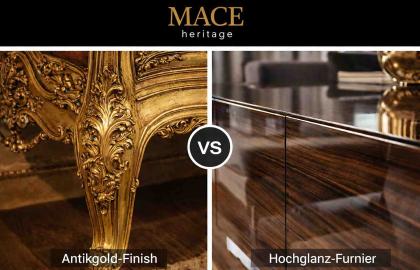
Antique gold or high-gloss veneer: which finish fits your space best? This MACE Heritage guide compares...
The services below include known integrations and services requiring verification. Their activation, cookies and retention periods still need to be audited.
This overview is provisional and does not replace the full privacy policy.