Handcrafted Baroque Furniture: Quality, Construction and True Craftsmanship
Handcrafted Baroque Furniture: Quality, Construction and True Craftsmanship
Handcrafted baroque furniture represents more than decorative elegance. It reflects structural integrity, material authenticity and long-term durability. While industrial furniture production focuses on speed and cost efficiency, traditional craftsmanship prioritizes construction, balance and detail. Investing in handcrafted baroque furniture means investing in substance rather than surface appearance.
What Distinguishes Handcrafted Baroque Furniture from Mass Production?
Mass-produced furniture often relies on MDF cores, thin veneers and simplified mechanical fastenings. The goal is rapid assembly and reduced manufacturing cost.
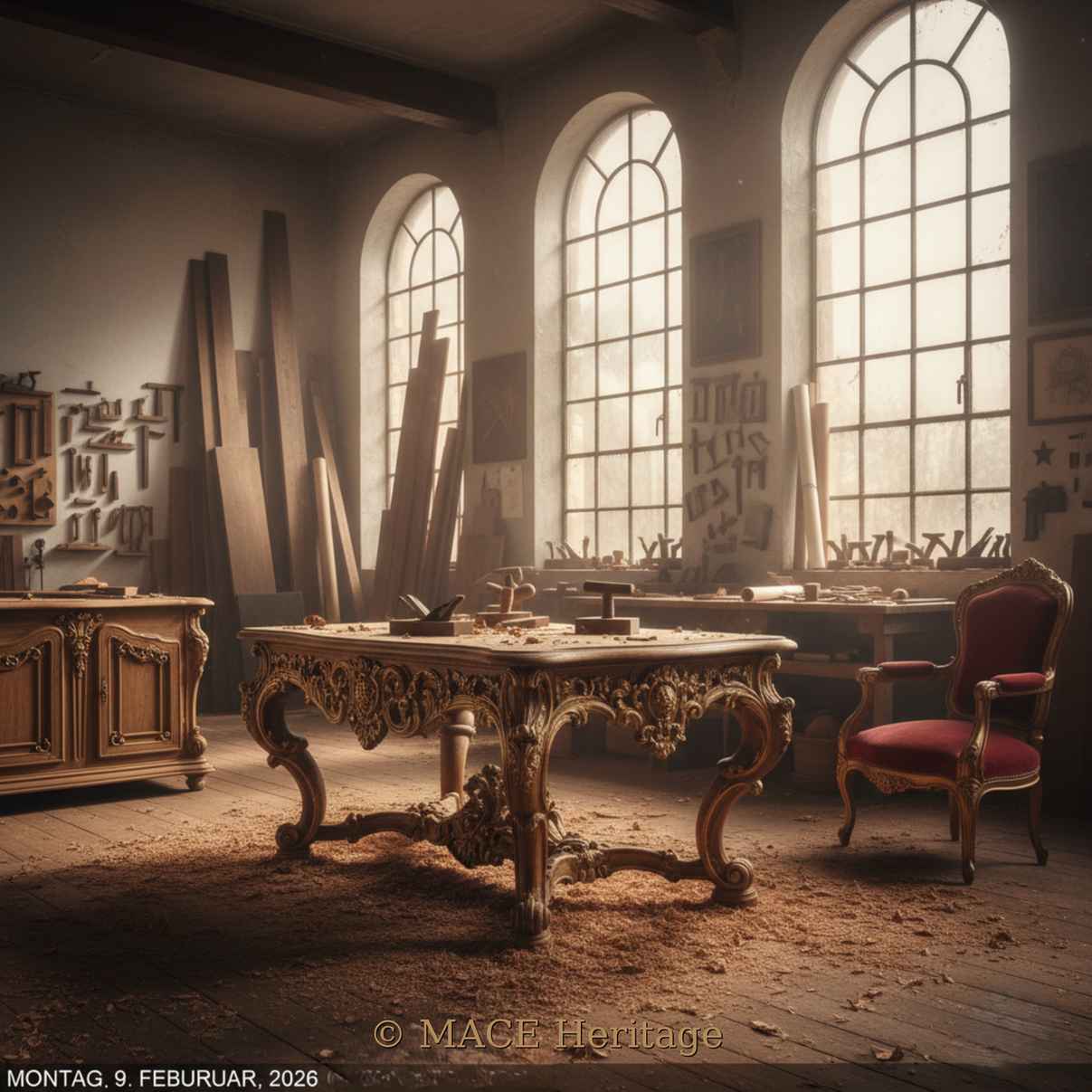
In contrast, handcrafted baroque furniture is built from solid wood, assembled using traditional joinery techniques and refined through multiple finishing stages. These differences directly impact stability, weight, longevity and overall architectural presence.
Solid Wood as the Foundation of Durable Luxury Furniture
Solid wood is not a decorative layer – it is the structural foundation. It offers depth, stability and the ability to be restored over time. Unlike industrial board constructions, solid wood furniture can be refinished and maintained for generations.
This structural integrity is particularly important in sculptural pieces such as a baroque chest of drawers, where curved forms require strength and precise construction.
Traditional Joinery Techniques
A defining characteristic of handcrafted furniture is the use of traditional joinery methods. These may include:
- Mortise and tenon joints
- Dovetail connections
- Solid frame constructions
These techniques create structural stability without relying solely on screws or mechanical fittings. In frequently used furniture pieces, this significantly enhances long-term durability.
Surface Finishing: Depth Instead of Speed
The finish of a piece determines both its appearance and resistance. High-quality baroque furniture undergoes multiple finishing layers – including staining, sealing and controlled surface treatments. Each layer requires drying time and careful inspection.
Unlike industrial quick-lacquer methods, this process produces depth, subtle light reflection and a calm, refined surface texture.
Authentic Brass Hardware and Structural Details
True craftsmanship extends to hardware. Solid brass fittings offer weight, durability and visual authenticity. Thin decorative imitations may appear similar at first glance but lack long-term resistance.
Even in pieces such as baroque mirrors, construction depth and frame material quality define whether the piece feels architectural or merely decorative.
Why Production Time Reflects Quality
High-quality furniture cannot be rushed. Many premium pieces are intentionally made to order, allowing for controlled production rather than anonymous mass output.
The extended production period ensures proper wood preparation, stable assembly and balanced finishing. In luxury furniture manufacturing, time is not a disadvantage – it is a quality indicator.
Longevity as a Modern Luxury Value
In today’s premium segment, luxury is increasingly defined by durability. A handcrafted baroque piece can last decades, often generations. Its ability to be restored or refinished adds further value.
Fast-production furniture rarely offers this structural resilience. Long-term stability and repairability distinguish investment pieces from temporary decor.
How to Recognize High-Quality Baroque Furniture
- Solid wood construction
- Traditional joinery techniques
- Weight and structural stability
- Layered finishing process
- Solid brass hardware
These indicators separate authentic craftsmanship from decorative reproductions.
Conclusion
Handcrafted baroque furniture represents a conscious choice for structure, durability and design integrity. In an era defined by rapid production cycles, true craftsmanship regains importance. Investing in solid wood and traditional construction ensures long-term value beyond temporary trends.
Read next
Related chapters from the MACE Heritage Journal
Explore the trend context and the styling guide as the next chapter.
Blog Posts