Loading
Loading
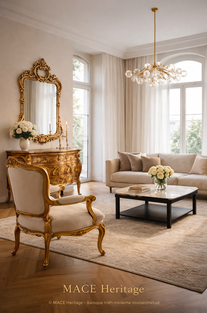
For years, minimalism dominated the interior world. Clean lines, neutral palettes and restrained silhouettes defined modern spaces. In 2026, however, a clear shift is emerging: baroque furniture is returning – not as nostalgia, but as a deliberate statement of character, craftsmanship and architectural presence.
The past decade produced interiors that were visually calm yet increasingly interchangeable. Beige sofas, matte black accents, pale woods – elegant but often emotionally neutral. In 2026, homeowners, designers and architects are seeking depth again. They want interiors that feel curated rather than assembled.
Baroque furniture introduces exactly this sense of identity. Sculptural curves, refined ornamentation and rich material presence transform rooms into statements. Rather than filling a space, a single carefully chosen piece defines it.
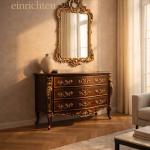
The key interior trend of 2026 is contrast. A Louis XV chest of drawers placed within contemporary architecture. A gold-framed mirror against a calm wall. A sculpted armchair positioned in an open-plan loft.
Premium baroque chests of drawers are particularly effective as architectural anchors. They combine storage with sculptural elegance and bring depth to minimalist interiors without overwhelming them.
Likewise, baroque mirrors are gaining renewed attention in luxury interior design. By reflecting light and enhancing spatial perception, they function both as decorative art and as architectural instruments.
The revival of baroque furniture is closely linked to a broader appreciation for craftsmanship. Solid wood construction, traditional joinery and authentic brass fittings stand in sharp contrast to mass-produced alternatives.
Luxury furniture trends in 2026 are no longer driven purely by aesthetics. Material authenticity, structural integrity and long-term durability define true premium quality. Consumers are increasingly aware of the difference between decorative imitation and genuine craftsmanship.
Many high-end pieces are intentionally made to order, ensuring controlled production rather than anonymous mass manufacturing. This distinction is essential in the premium segment.
Boutique hotels, curated restaurants and private luxury residences are leading the movement. Designers use baroque furniture not to replicate historical interiors, but to introduce drama, identity and memorability.
In a design landscape that often feels standardized, classical furniture offers differentiation. It creates emotional resonance and reinforces architectural storytelling.
Baroque furniture in 2026 does not represent a return to excess. It reflects a desire for permanence, material richness and expressive design. When integrated thoughtfully, classical luxury enhances modern architecture rather than competing with it.
Investing in handcrafted, solid wood furniture today is not about following fashion. It is about choosing identity over uniformity and substance over disposability.

The services below include known integrations and services requiring verification. Their activation, cookies and retention periods still need to be audited.
This overview is provisional and does not replace the full privacy policy.